Safety Guide
China is one of the countries most severely affected by natural disasters in the world, characterized by a wide variety of disaster types, extensive geographical distribution, high frequency of occurrence, and heavy losses. Earthquakes, fires, floods, landslides, debris flows, typhoons… natural disasters can strike at any time. It is very important to master disaster prevention and self-rescue skills early on, so that one can help oneself and others promptly when disaster strikes.
May 12, 2026, marks the 18th National Disaster Prevention and Mitigation Day. Let's acquire practical knowledge on disaster prevention and mitigation!
How to escape and save yourself during an earthquake?
At home, take cover under sturdy furniture that is not prone to tipping, or in a corner or bathroom. Do not use elevators to evacuate.
In public places, stay away from glass display windows, shelves, and other items that can easily tip over. Follow the instructions of the staff and do not push.
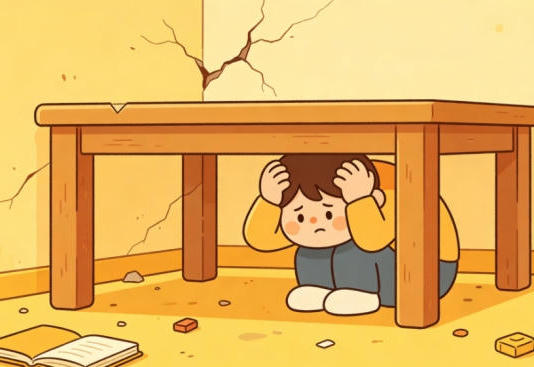
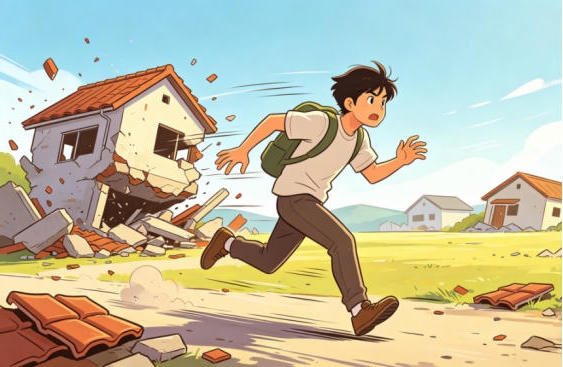
When outdoors, stay away from buildings, bridges, or hillsides, and look for an open, safe area. If trapped in rubble, conserve your strength and signal for help by tapping.
How to save yourself during a fire?
Call 119 immediately and evacuate in an orderly manner following evacuation signs. Do not take elevators, as you may become trapped inside.
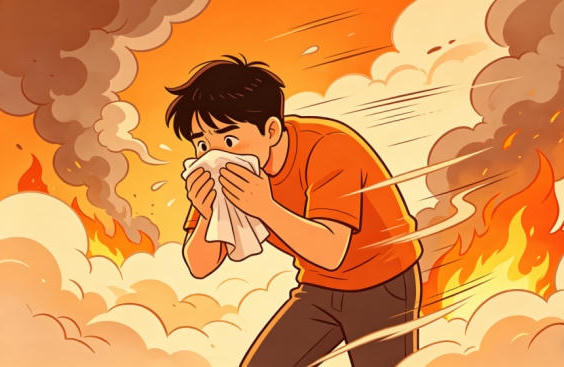
If you must go through thick smoke, cover your mouth and nose with a wet fabric and walk while bent over or crawl close to the wall.
If escape is impossible, go to a balcony, rooftop, or other safe area and call for help.
How to respond to floods?
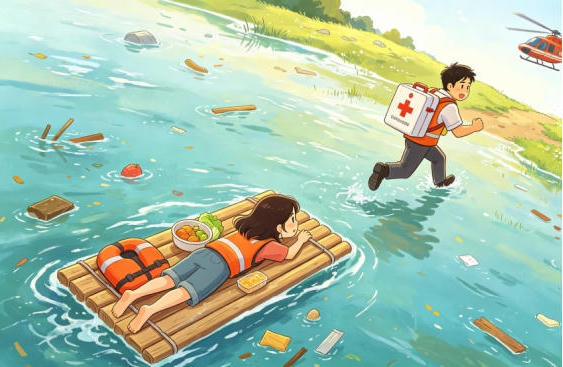
Move to higher ground, such as a hillside. If there is no time to evacuate, climb onto a rooftop or a tree. Do not climb utility poles or iron towers.
If you fall into the water, remain calm. Hold onto any floating object you can find, keep your head above water, and wait for rescuers to arrive.
How to deal with landslides and debris flows?
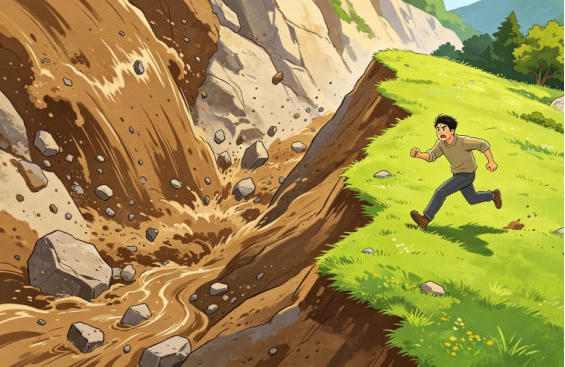
Be alert if you hear a rumbling sound coming from the valley. Do not take shelter in low-lying areas or on hillsides. Do not attempt to cross debris flow or landslide areas. Instead, run sideways to higher ground perpendicular to the direction of the debris flow.
What to do when a typhoon strikes?
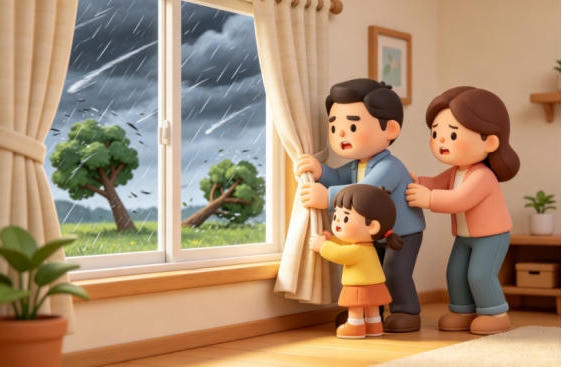
Minimize going outdoors, reinforce structures that are easily blown over, close doors and windows tightly, and apply tape in a crisscross pattern.
Do not linger near buildings, billboards, or utility poles, and watch out for falling objects from heights.
After the typhoon passes, pay attention to the safety of food and water.